

(+34) 673 494 807
Toñi Mohedano
Gerente



Virtual slots like Ramses Book Online Bonus and the peaceful teachings of Buddhism might appear to have nothing in common. But for gamblers in the UK, a closer look reveals something intriguing. The game’s core mechanics can align with several Buddhist ideas in a remarkable way. This isn’t about forcing spirituality onto a game. It’s about recognizing how a mindful approach can alter how we play. By integrating concepts like mindfulness, impermanence, and the Middle Way to the reels, we can build a healthier and more balanced gaming habit. This article examines Ramses Book as more than a way to win money. It can be a exercise in awareness, teaching us to enjoy the spin without being ruled by the result, discovering a calm space even as the digital reels turn.
Spinning at a UK online casino often means hitting the spin button without really considering. Buddhist mindfulness, called Sati, asks us to pay focused attention to the present. Applying this to Ramses Book alters the session. It means actually perceiving the game’s elements—the meticulous design of the Egyptian symbols, the suspense in the music, the exact moment a Book scatter symbol might hit. You observe your own response to a near-miss or a decent win with simple curiosity, instead of being drawn into frustration or excitement. Each spin becomes a conscious choice, not an habitual reflex. Being in the ‘now’ of the gameplay makes it more enjoyable. It also holds you in charge, stopping your session from becoming a blur of repetitive clicks directed only at a payout. The point is to savor the game’s path, making every visit to Ramses’s virtual temple a intentional one.
Buddhist doctrine rests on Anicca, the truth that all phenomena are transient. Slot gaming is a perfect display of this idea. In Ramses Book, everything can transform on one spin. A series of unfavorable results can suddenly turn into a profitable free spins feature. Any winning run is, by essence, brief. When UK players recognize this temporary nature, they build a stronger connection with the game’s inherent variance. Wins and setbacks start to seem like short-term phases. They are not a final judgement on your luck. This perspective helps you steer clear of the typical trap of “chasing losses” or becoming arrogant after a big win. Seeing the game as an constantly shifting process enables you to celebrate achievement without holding onto it. It enables you to accept a bad period without falling into discouragement. The psychological resilience you develop is useful long after you leave the casino site.
Buddha preached the Middle Way, a path of restraint between opposites. For someone playing Ramses Book in the UK, this is the most practical principle. It is about balancing the genuine pleasure of gaming with its potential for excess. The Middle Way doesn’t demand complete avoidance. It calls for wise participation. You can implement it with a few clear steps:
This balanced approach stops the thrilling theme of Ramses Book from driving you toward harmful behaviour. It ensures your engagement in the realm of healthy recreation. You get to value the game’s design and excitement without letting it affect your finances or your peace of mind.
Buddhist teachings on non-attachment, or Aparigraha, suggest we should act without fixating on a particular result. For Ramses Book, this means playing for the experience itself, not just for the jackpot. The game is built to create anticipation, particularly with its expanding symbol feature during free spins. Hope is a normal part of play, but attachment results in frustration—the feeling that a bonus was “stolen” or that a big win is somehow owed to you. Practicing detachment shifts your focus. You concentrate on the present action: the strategy behind your bet size, the beauty of the animations, the mystery of which symbol will expand. The financial outcome becomes less important. This doesn’t ruin the excitement. It improves it, eliminating the anxiety of anticipation. You can leave satisfied, whether your session resulted in a win or not.
Buddhism points out how our minds create convincing illusions. A typical one is the illusion of control. Games like Ramses Book use Random Number Generators (RNGs). Every spin outcome is independent and completely random. Yet players often adopt superstitious rituals, certain they can sway the result. Buddhism encourages us to see reality clearly. Accepting the real randomness of the slot frees you. You quit feeling falsely responsible for losses or having too much pride in wins. The outcome does not show your worth or skill. This unclouded seeing breaks down harmful gambling myths. Thoughts like “the machine is due to pay” or “my lucky charm helps” forfeit their power. Accepting this truth paves the way to a more honest and accountable way to play.
In Buddhism, Karuna means kindness for your own being and others. For the British gaming community, this notion is a perfect match with mindful gambling. Empathy for oneself means recognising your limits and prioritising your wellbeing first. It means using the player protection tools provided by UKGC-licensed casinos—deposit limits, time-outs, self-exclusion—without any stigma. Kindness for other people involves encouraging a healthier gaming culture. We can support a few key things:
When we view responsible gaming through kindness, it becomes a beneficial community value. It’s more than a list of rules. It’s a means to guarantee the temple of Ramses stays a place of entertainment, and never a source of distress.
They encourage mindfulness, which enables you enjoy the act of playing as opposed to obsessing over the result. This lowers frustration and anxiety, rendering your time with Ramses Book more relaxed. It also supports healthier habits, like taking breaks and sticking to your limits, almost without thinking about it.

Traditional Buddhist views often regard commercial gambling as a harmful activity. Our focus here is different. We’re looking at how to apply mindful principles to a legal, regulated form of UK entertainment. The goal is to reduce potential harm by championing extreme moderation, self-awareness, and detachment. This transforms play closer to mindful recreation and away from compulsion.
Impermanence (Anicca). Knowing that every win and loss is temporary stops the emotional rollercoaster and prevents dangerous chasing behaviour. It allows you to view a gaming session as a fleeting experience. You can enjoy it while it lasts, and let it go when it’s time to stop.
Letting go means playing fully but without clinging to one specific result. Appreciate the anticipation, the graphics, and the features of Ramses Book. Place your bet, then let go of the expectation. You can celebrate a win, but don’t let it dictate your next move. Your goal changes from “I must win” to “I will enjoy this activity responsibly.”
They are not a replacement for professional help. But they do present a philosophical framework for healthier play. Mindfulness helps you more aware of compulsive urges. The Middle Way supports strict limits. Understanding randomness destroys the illusion of control. Together, they are preventative tools that encourage a balanced and critical perspective.
It doesn’t specify a time. It looks for a balanced one. The Middle Way is personal. It means playing for a duration that feels like entertainment, not an obsession—a session where stopping feels easy. Use session timers, and always make sure your gaming fits around other life responsibilities and hobbies.
Certainly, completely. The teachings of mindfulness, impermanence, and the Middle Way function for any chance-based game, from online roulette to bingo. They assist you manage your bankroll, your emotional reactions, and your time. This renders your whole online casino experience more mindful and balanced, no matter which game you choose to play.
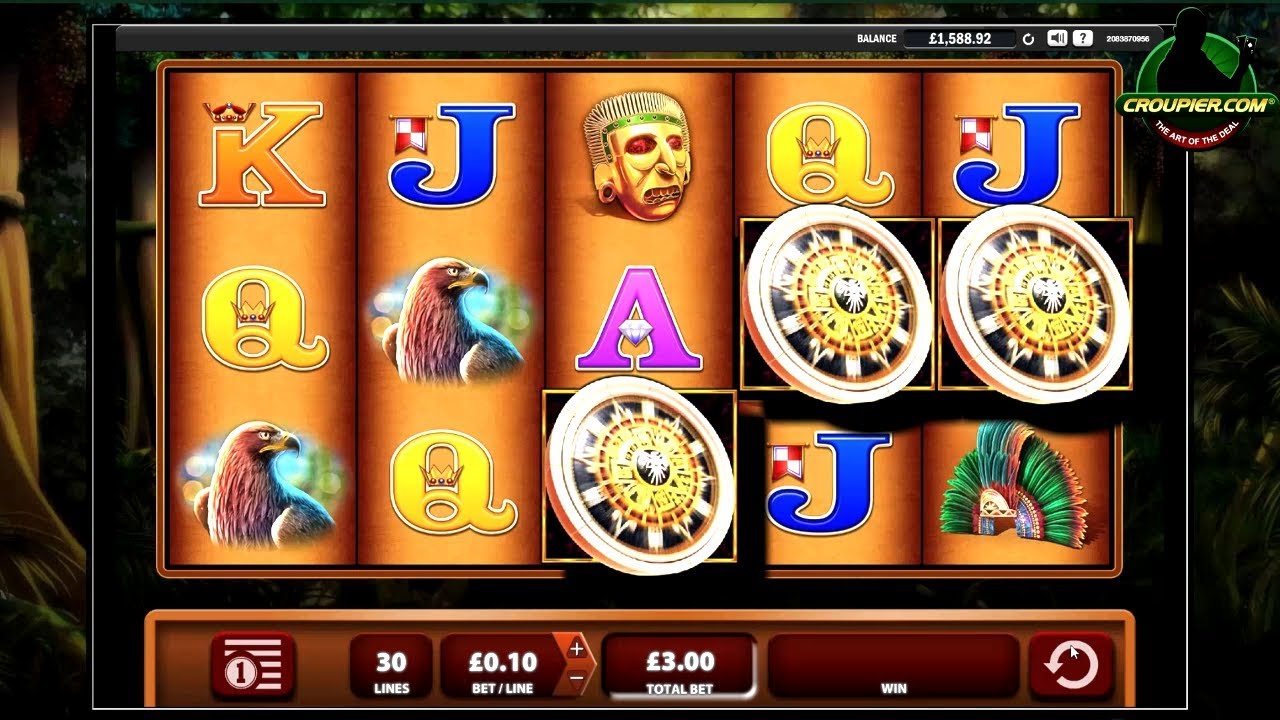
Examining Ramses Book through a Buddhist lens gives UK players a unique perspective. It converts a simple slot game into a potential exercise in mindfulness and balance. When you apply principles like present-moment awareness, acceptance of impermanence, and the Middle Way to your play, you cultivate a more rewarding, responsible, and resilient approach. This kind of mindful involvement keeps the ancient Egyptian adventure captivating and safe. It enables you enjoy the digital journey while staying grounded in your own wellbeing.
Fotografías realizadas por