

(+34) 673 494 807
Toñi Mohedano
Gerente


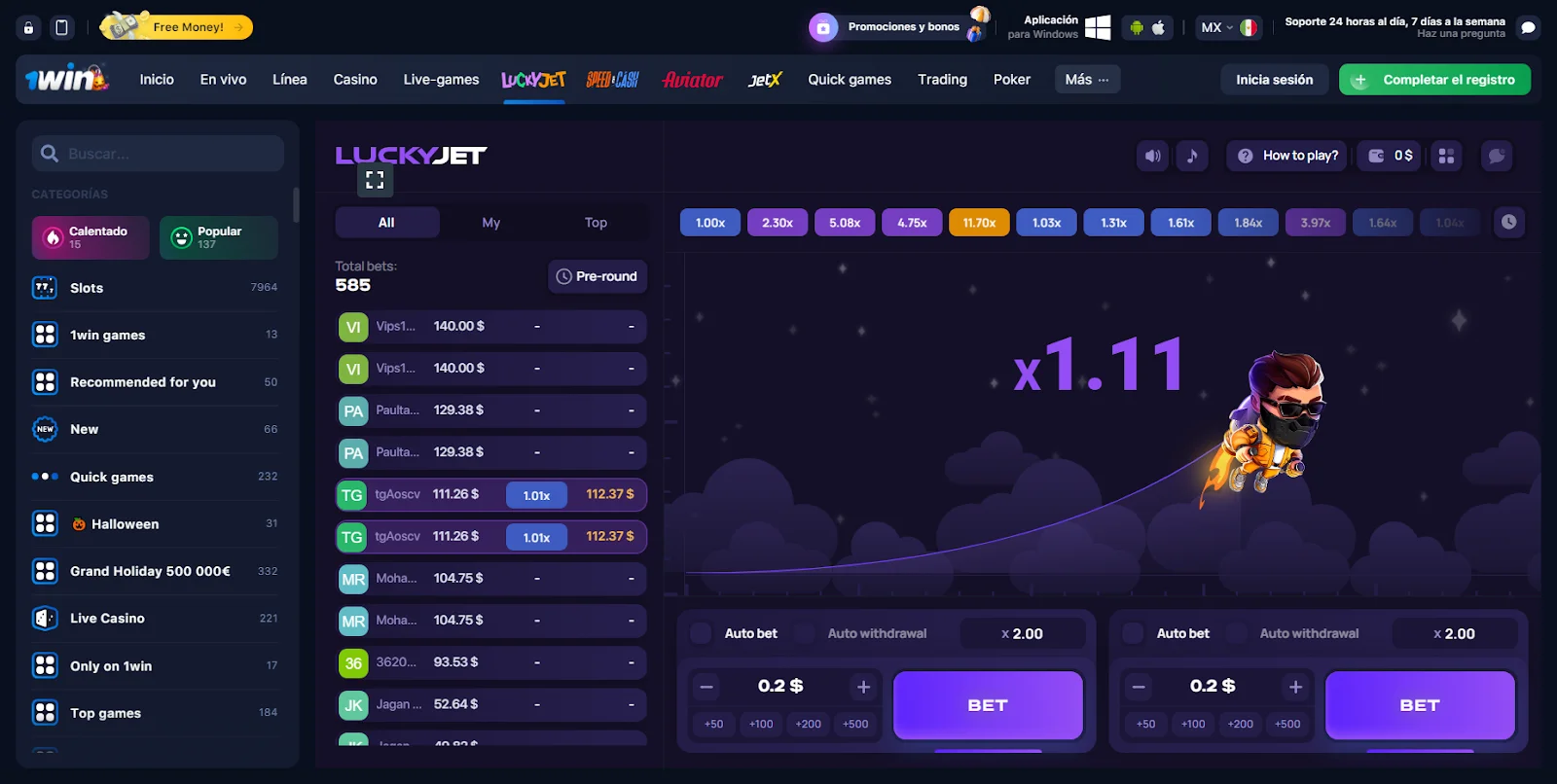
Let’s examine how cookies operate on the Lucky Jet Game platform and what that implies for players in the UK https://lucky-jet.co.uk. This isn’t just about legal fine print. It’s about seeing what data gets transmitted when you log on to play, and how that affects your time on the site. Grasping your digital footprint makes you a smarter participant in any online game.
For any website you access today, cookies are part of the basic framework. They’re small text files that sit on your device. In a fast-paced game like Lucky Jet, they have a very practical job. They ensure your session stable, retain your settings from one moment to the next, and ensure the game doesn’t glitch or interrupt your progress mid-round.
Disable these essential cookies, and the site simply won’t work properly. You’d be constantly signing in again or watching your game reset. They are the underappreciated foundation that lets a complex, real-time game run smoothly inside your web browser.
The landscape is changing under the full online world. Leading browsers are slowly removing support for third-party cookies, the sort used for cross-site tracking. This shift is driving the industry to find new strategies. The future will likely rely more on first-party data, collected directly by the site you are using with your clear knowledge, and on advertising that uses context rather than your individual browsing habits.
iGaming platforms will adjust. Expect them to focus on building more direct and clear connections with players. New privacy-first technologies will transform how data is used for customization, all while striving to satisfy stricter global norms and the privacy expectations of users today.
Such cookies are why the site could greet you personally or showcase a promotion that fits your playing habits. This tailored approach can make the experience feel more intuitive. It also raises important questions about data protection. Users want to know where their information goes, who has access to it, and how securely the data is safeguarded.
A dependable site maintains a middle ground. It presents clear choices during the cookie consent process, writes a privacy policy that users can easily understand, and includes simple tools for adjusting preferences afterward. The aim is beneficial personalization, rather than covert tracking.
In the UK, this harmony is backed by law. The UK General Data Protection Regulation (GDPR) and the Privacy and Electronic Communications Regulations (PECR) set the rules. They assert that a site must get your clear, informed agreement before installing any cookies that aren’t strictly essential. You must be in a position to say “no” to those without forfeiting access to the core game.
To adhere, a platform requires a clear consent banner when you first visit, simple explanations of what each cookie does, and an easy way to modify your mind later. We judge platforms on how well they stick to these rules, which were designed to give people back some control over their online data.
You have the ability to modify your cookie options at any time. Most well-known sites include a cookie settings section, commonly located in the website footer or linked from the privacy policy. This panel enables you switch different cookie categories on or off according to what you’re okay with.
Regularly reviewing these options every few months, or after you encounter a major site update. You can also control cookies through your web browser’s own settings, which gives you broader control over every site you visit—just know that blocking everything might harm operations on numerous websites, not just your game.
Now, what information is captured? Technically speaking, cookies can track your IP address, the device you’re using, and the browser version you use. They also note your behavior: how long you play, the most used game features, your general interaction patterns. Usually, these details is aggregated with aggregated user data for analysis; it’s not directly linked to your personal identifiers.
If you are signed into an account, that anonymous data can be traced back to you, creating an unexpectedly detailed picture. This approach isn’t unique to gaming—it’s the typical functionality of the modern internet. The crucial factor for any website is handling it transparently to keep player trust.
Not every cookies are made the same. Websites such as these use a number of various kinds, every one serving a distinct role. Required cookies cannot be opted out. They perform key operations including ensuring you stay logged in and processing your bets.
Additionally there exist performance cookies. These collect aggregated data regarding how users move through the site—which pages load slowly, areas users could experience delays. This enables developers enhance the browsing experience. Functionality cookies recall your personal choices, such as your language or if you have the sound on. Finally advertising cookies monitor your online actions across multiple websites to build a profile for delivering personalized advertisements. The type of cookie determines what information you share.
They manage fundamental tasks, such as keeping you logged in and remembering your game progress. They save your settings, such as language choices. Additionally, they collect anonymized data to help site operators analyze platform performance and identify areas for enhancement, a standard online practice.
Most likely not. Blocking every cookie will interfere with essential functions. The necessary cookies for security, login, and bets need to be active. It is safe to block non-essential types like marketing cookies, but enabling the core ones is the requirement for a smooth game.
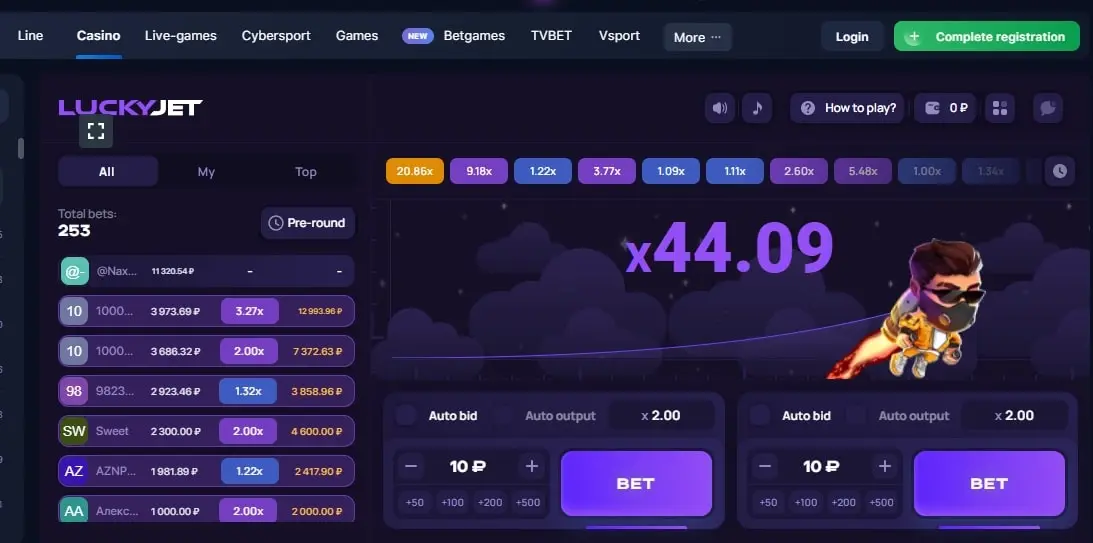
It should start with a clear consent banner when you first visit, explaining what the cookies do. You must actively consent to any non-essential cookies, and you should be able to withdraw that consent effortlessly. A dedicated settings page for managing cookies is a sign of proper compliance with UK GDPR and PECR.
They collect technical specifics: your IP address, device category, and browser type. They also note how you play, like session length and the features you use. This data is frequently anonymized for aggregate analysis. When connected to your player account, though, it adds to the profile the site uses to personalize your experience.
Review them every couple of months, or when the platform announces a major update or policy revision. A fast inspection ensures your preferences remain consistent with your data sharing comfort. These settings are always accessible via a link in the website’s footer or its privacy policy.
Getting to grips with cookies is a key part of being an online gamer today. We’ve walked through what they do, what you share, and how you can take charge. By staying informed and managing your preferences, you can enjoy a tailored experience without handing over more privacy than you intended.
Fotografías realizadas por