

(+34) 673 494 807
Toñi Mohedano
Gerente



For UK players, a game’s community often influences how long and how deeply they’ll stay committed spacexycasino.eu. Space XY Game understands this perfectly. Its Clan System isn’t just a social feature; it’s a strategic framework built for group development and competition. This system forms a core part of the game’s design, integrated into its sci-fi story and reward loops. For communities across the UK, whether they’re small friend groups or large regional coalitions, the Clan System offers a structured but flexible way to work collaboratively, talk, and achieve common objectives. This analysis explores the details of the Clan System, looking at how to set one up, the benefits it provides, and the specific edge it gives to organised British players who want a deeper, more socially connected gaming adventure.
The pinnacle of Clan activity in Space XY Game is the competitive framework. Clan Wars are the ultimate test of cooperation and tactics. These are time-limited, periodic tournaments where Clans are paired by their combined might and level. These wars are massive strategic battles over contested sectors of the space map. They require thorough strategy, resource management, and instant teamwork. Triumph depends not solely on one player’s might, but on the unified deployment of the Clan’s fleet and how properly the leaders’ orders are carried out. For UK Clans, this typically means planning major actions during peak evening hours (GMT/BST) to have as many members connected as practicable. Winning brings major honor, top periodic bonuses, and a enduring place in the game’s hall of fame.
The strategic depth in a Clan War is considerable. It’s not just a sequence of battles. It’s a campaign of zone domination, supply denial, and scouting information. A usual war lasts 72 hours and centers on a set of 10 to 15 star systems. Clans must select their strategy. Do they mass forces for a decisive strike on a key planet? Do they disperse to capture multiple weakly-guarded resource nodes? Or do they maintain a defensive fleet to protect their own holdings? Using strategic items brings a layer of misdirection. ‘Sensor Jammers’, bought with Clan resources, can mask fleet movements. For a UK Clan facing international opponents, scheduling becomes a asset. Launching a major attack at 11 PM GMT might hit North American players during their workday and Asian players in the early morning. The global player base becomes a strategic variable to exploit.
Managing a Clan is satisfying, but it brings specific problems. Common challenges include member inactivity, resolving internal disputes, and keeping momentum when the game is calm. We have some effective solutions, derived from watching successful UK Clans. For inactivity, establish a transparent activity tracking system with clear, communicated requirements. A polite private message often solves the issue before removal is required. Internal conflicts demand swift and impartial arbitration from officers. The focus should be on the game’s cooperative aims. To sustain momentum, leaders should always have a short-term objective ready. This could be a specific research goal, preparation for an upcoming event, or a friendly practice match with another Clan. Distributing duties is vital. Building a trusted team of officers shares the workload and brings different perspectives to problem-solving.
Looking deeper, the activity problem often comes from burnout or real-life commitments. Proactive leaders don’t just track inactivity; they prepare for it. Establishing a ‘vacation’ or ‘LOA’ (Leave of Absence) role lets dedicated members take a break temporarily without guilt or fear of being expelled. This makes their return seamless. Conflict resolution profits from a formal, private process. Shift the discussion to an officer-only channel, let each person explain their side without public fuss, and look for a compromise that sets the Clan’s health first. Sustaining momentum during content lulls demands creativity. Arrange a ‘Fleet Fashion’ contest for the best-designed ship. Conduct a scavenger hunt for obscure in-game lore items. Stage a podcast-style interview with a veteran member. These activities create engagement that isn’t about repetitive tasks. They keep the community vibrant even when the game itself is in a quiet period.
A Clan in Space XY Game is a player-operated guild, a stable team with its own presence inside the game’s universe. It’s separate from a temporary squad for one mission. A Clan receives a constant headquarters, a dedicated chat channel, and prolonged collective objectives. Think of it as an organizational unit with its own level, common resources, and technology trees. The core idea is collective contribution. Everything a member does, from accomplishing daily tasks to joining special events, helps the Clan progress as a whole. This creates a potent cycle where individual effort gets amplified and compensated at the group level. It cultivates a real impression of membership and mutual purpose, something solo play commonly lacks. This design straightforwardly addresses the seclusion you can feel in enormous online games, converting a universe of strangers into a network of allied factions where every player’s actions matter to their community.
The philosophy is one of reciprocal investment. If a member spends time extracting the rare mineral ‘Zynthium’ on a remote asteroid, they can contribute some of it to the Clan’s vault for collective projects. Another player triumphantly protecting a trade route acquires Honor Points that boost the Clan’s seasonal ranking. This integrated economy means diverse playstyles all have value. The dedicated explorer and the PvP specialist both discover a role. The Clan becomes a functioning society within the game, with its own economy, protection force, and political status. Your personal journey becomes part of a bigger, joint story.
Entering an active Clan grants access to a tiered reward system that accelerates both individual and group progress. The most obvious benefits are direct in-game advantages. We can categorize the main rewards into three categories. Clan-specific research grants powerful buffs, like increased resource gain or better ship stats, which solo players cannot obtain. Daily and weekly Clan missions provide big bonus rewards for accomplishing tasks together. The most rewarding area is access to exclusive Clan events and challenges. These grant unique currencies, rare blueprints, and premium loot. Beyond the material gains, membership delivers social value. Exchanging knowledge, analyzing strategy, and having reliable teammates for tough co-op content creates the whole game experience more rewarding and more consistent.
Let’s look at a concrete example. A tier-three Clan Economic research perk could enhance all members’ mining laser efficiency by 15%. This single upgrade spares hundreds of hours of grinding across the entire membership. It directly leads to faster capital ship construction for everyone. Then there are exclusive Clan events like the ‘Nebula Holdout’ co-op raid. This calls for precise teamwork to beat complex boss mechanics. Success compensates participants with schematics for legendary ‘Heritage’-class frigates, items you will not find anywhere else. The reward system is structured to make membership feel essential. The benefits build on each other over time, generating a noticeable power difference between players in Clans and those operating independently. This fosters long-term loyalty and active contribution to the group’s success.
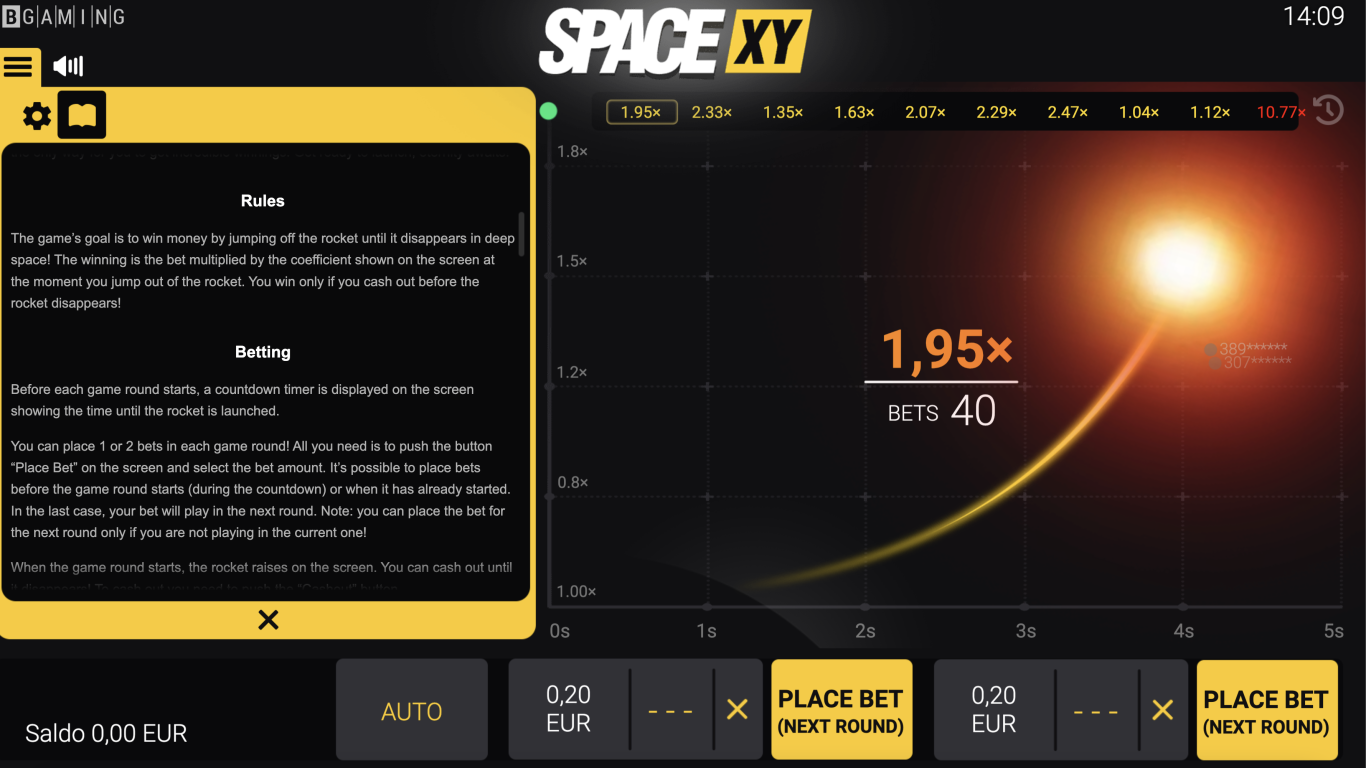
Clan progression is a different journey from personal player progress. It’s fueled by Clan Experience Points (CXP) gained through member activities. As a Clan levels up, it unlocks a higher member capacity, more emblem customization options, and, critically, new tiers of Guild Research. The skill tree is a central project where members provide resources to develop permanent benefits for everyone. We identify two main research branches. Economy bonuses boost resource harvesting and building speed. Military perks improve fleet armaments, defense, and battle speed. Picking a technology path shapes a Alliance’s strategic identity. Will it focus on economic dominance to support huge navies, or will it aim for direct military superiority? This ongoing advancement gives members a continuous, common goal to work toward.

The skill tree’s strategic consequences are enormous. A Guild that specializes in the Resource branch might quickly unlock ‘Automated Refineries’ and ‘Deep Core Drilling’. This lets them outpace rivals and win wars of wearing down. On the flip side, a Warfare-oriented Guild might fast-track ‘Plasma Torpedo Calibration’ and ‘Reactive Shield Algorithms’ to secure an early fighting edge when a new cycle begins. The decision is often submitted to a member poll, encouraging democratic participation. Each development task needs thousands of amounts of specific components. This establishes natural, player-driven targets. The entire Guild might jointly target ‘Ion Crystal’ rich asteroid belts for a week to finance the next upgrade. This joint effort, observing a completion gauge fill up through daily donations, is a potent daily motivator. It strengthens community connections through tangible, incremental success.
Effective communication is essential for a Clan thriving. Space XY Game offers built-in tools, but most UK groups also use external platforms. Inside the game, the Clan chat remains accessible and supports pinned announcements. The officer chat offers leaders a private space for planning. Nevertheless, we suggest UK Clans adopt third-party apps like Discord or WhatsApp. Their voice chat and out-of-game coordination features outperform in-game options. Creating clear strategies is essential. This involves several key practices.
A well-coordinated Clan can accomplish much more than the sum of its parts. Disciplined communication turns into a decisive competitive edge.
Advanced coordination needs structured processes. The top Clans employ Discord with a carefully organised set of channels. They might have a #war-room for live voice comms during battles, a #tactics channel for pre-war planning documents, a #logistics channel for tracking resource donations, and a #tavern for off-topic social chat to build camaraderie. Strategy for a big event often follows a formal cycle. A pre-battle briefing document gets posted 24 hours ahead, outlining primary and secondary objectives and individual assignments. A muster call is sent on WhatsApp 30 minutes before start time for a final headcount. After the event, a debrief channel is used to analyse replays, celebrate wins, and constructively review mistakes. This military-like precision converts a group of individuals into a cohesive unit that can execute complex, multi-stage operations.
In the end, the crucial part of the Clan System in Space XY Game goes beyond game mechanics. It’s about creating lasting social connections and establishing real communities. For UK players, it creates a digital space where common cultural references, time zones, and even a sense of humour can combine to form a strong group identity. We’ve witnessed Clans change from pure gaming groups into social hubs. Members discuss other interests, share real-world experiences, and offer each other support. This social fabric increases player retention, not just for the Clan, but for the game itself. Logging in becomes less about the game and more about interacting with friends. In a time when online interaction can seem temporary, the Clan System provides a structured, goal-oriented way to establish something more permanent and meaningful. It’s a true community, built among the stars.
This impact extends beyond the game. It’s typical for UK-based Clans to organise real-world meetups in cities like London, Manchester, or Edinburgh. Online alliances turn into genuine friendships. The common struggle of a difficult war, or the shared triumph of unlocking a top-tier research project, builds bonds similar to those formed in traditional team sports or clubs. For many people, their Clan becomes a reliable social anchor. It’s a place to decompress and connect with a familiar group, no matter what’s going on elsewhere in life. This transforms Space XY Game from a simple pastime into a meaningful social platform. The game’s developers have, maybe without fully intending to, created a powerful engine for community building. They’ve proved that even in the vast, impersonal cold of space, the human need for connection and belonging will prevail. Structured, cooperative endeavour achieves it.
Founding a Clan is easy but meaningful. It’s intended to be accessible, yet it requires thoughtful leadership. The journey starts with a founding player investing a small sum of in-game currency to purchase a Clan Charter and select a unique name and tag. For UK founders, we advise picking a name and ethos that captures local camaraderie or common interests. Once formed, the Clan Leader receives access to a comprehensive management dashboard. Key jobs include defining recruitment policies (open or by application), managing member ranks with custom permissions, designing the Clan emblem, and organizing group activities. Good management is crucial. It means interacting regularly, establishing clear expectations, and ensuring the Clan’s goals match whether its members play casually or intensively.
The management dashboard is the place where a leader’s strategy develops. Apart from basic settings, it permits custom rank structures. A wise leader might establish ranks like ‘Vanguard’ for main attackers with war declaration rights, ‘Logistician’ for members concentrating on resource donation, and ‘Recruit’ with limited access until they find their feet. Financial management is another significant duty. The Clan treasury, supplied by member donations and event rewards, needs prudent allocation. Should money go to new research, war consumables, or assisting members with urgent ship repairs? For UK leaders, understanding peak activity times is vital. Scheduling events for weeknights after 7 PM GMT or weekend afternoons will achieve the best turnout and sustain morale high.
Sustaining a healthy, active Clan roster is an ongoing challenge. It requires a proactive strategy for both recruiting and holding members. For UK-focused Clans, we advise using both in-game and external community forums. Use the game’s recruitment board with clear listings. State your Clan’s focus clearly, for instance “UK-based, casual adult clan” or “Competitive war clan seeking daily active players”. Engaging in UK gaming forums and social media groups can also attract like-minded people. Retention is more delicate. It hinges on building an inclusive and respectful community environment. The successful Clans we’ve observed often employ a few rules.
Steering clear of cliques and making sure new members feel included and valuable is essential for long-term health.
A good recruitment procedure involves more than posting an advert. It can encompass a brief, friendly talk via direct message to verify if playstyles and expectations align. Many successful UK Clans implement a probation period. New recruits get an ‘Initiate’ rank, which provides them with full social entry and enables them to join most gatherings, but limits them from the Clan treasury. This lets both sides assess if it’s a good match without hassle. For retention, the psychology of membership is vital. Public praise works. A shout-out in a dedicated #achievements channel for the member who won the donation leaderboard, or a ‘Player of the Month’ vote with a small in-game bonus, confirms dedication. Creating sub-groups for specific interests also assists. An ‘Explorer Corps’ for members exploring new regions, or a ‘Theorycrafting’ team for those who like optimizing ship configurations, gives everyone a niche. It helps each person feel uniquely worthwhile to the larger group.
Fotografías realizadas por