

(+34) 673 494 807
Toñi Mohedano
Gerente


The digital casino landscape provides many concepts, but the combination of classical mythology and current slot technology in grabs my focus https://forgeofolympus.net. This slot has become a genuine favorite for gamblers across the UK. It’s not just the falling symbols or the win multipliers that attract players. Its astronomical theme creates an opportunity to a different kind of discussion, one about astronomical positioning ideas. I’m not suggesting the stars control the random number generator. Rather, I’m examining how these ancient cultural concepts can change the way a enthusiast thinks about the slot, introducing a fresh perspective to the risky, high-stakes action that players from Britain appear to enjoy.
Conversations about the celestial bodies and the Forge of Olympus slot needs to commence with the ancient Greeks. Their relationship to the evening heavens was fundamental. Their deities were not merely personas in stories; they were accounts for the celestial bodies traversing the sky. These wandering stars we refer to as orbs had godly matches: Ares was Mars, Aphrodite was Venus, Zeus was Jupiter. To the Hellenes, a shift in the heavens was a god making a move. When I observe the slot’s background, with gods hammering out constellations, I understand that very timeless rationale. The cosmos and godly intent were identical. That concept of a unpredictable, inventive universal order is precisely what drives the game’s mechanics.
Let’s be completely clear. The position of Venus or Mars does not affect the Random Number Generator in Forge of Olympus. It simply cannot. Every spin on this slot, or any other licensed game accessible in the UK, is derived from a rigorously tested RNG. Bodies like the UK Gambling Commission verify these systems are unbiased and random. But people are wired to detect patterns, even where nothing exist. The “theory” I’m talking about is about mindset and theme, not causation. The game’s imagery, showing planets aligning during a bonus round, serve as a narrative signal. They produce a subjective feeling of lucky timing. That feeling, though numerically meaningless, amplifies the drama and makes a big win seem even more spectacular.
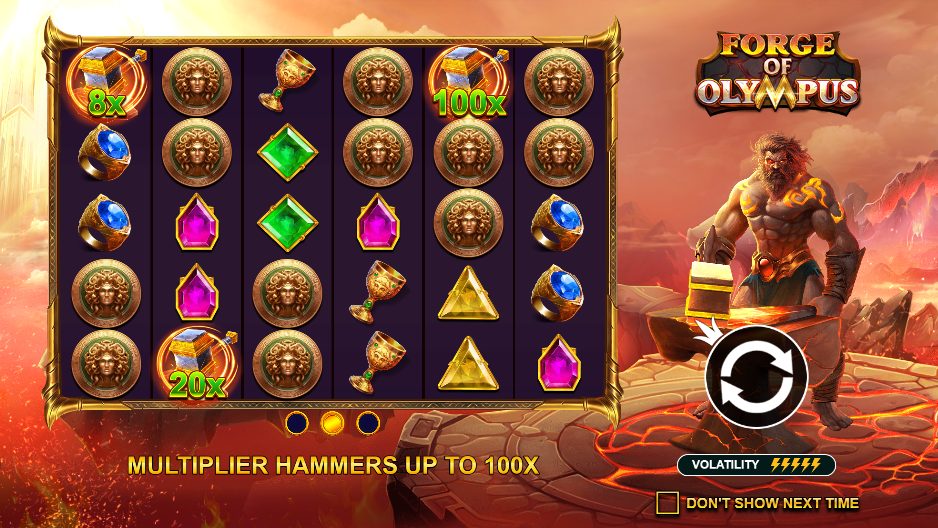
The core essence of this idea lies in the game’s Ante Bet and Free Spins features. Think of these as the slot’s version of an auspicious alignment. Opting for the Ante Bet is like making a more direct appeal to the gods. It systematically enhances your probability of triggering the Free Spins round, the state where the celestial forge functions at full blast. As soon as Free Spins begin, a multiplier climbs with each winning cascade. It seems as though cosmic power is gathering. Theoretically, this is the game’s ideal syzygy. The gods are working together, and their joint effect—that rising multiplier—is molding your fate. It’s a clever design choice that transforms an abstract astronomical event into something tangible you can sense in your fingertips.
Old cultures lacked online slots, but they had dice, lots, and parlor games. They harbored a firm faith that luck was directed by supernatural beings. The temper of the deities, discernible from planetary movements, might favor or punish your bet. A person pursuing fortune would pray for Jupiter’s blessing. A participant willing to take a big risk would perceive the spirit of Mars stood by them. Playing Forge of Olympus in modern times is reminiscent of a digital version of that old aspiration. You make a play—rotating the reels—and you wish the situation is favorable. Here, the astral settings are the RNG, seeded by the digital gods on the screen, waiting to align for a massive win.
A lot of slots utilize space and stars as a theme. Forge of Olympus takes a unique approach with the planetary theme. In most slots, planets are just an element of the scenery. Here, they are the tools the deities use to forge the universe. This positions the player not as an adventurer, but as a spectator to myth creation. It is theorized that every combination is a star being born, and each multiplier increase is a planet finding its course. This results in a stronger, more immersive story than generic space themes. The notion of alignment appears essential to the action, not just ornamentation superimposed.
Viewing the game through this cosmic viewpoint can indeed foster a more disciplined approach to play. It encourages reflecting in notions of cycles and periods, much like observing the firmament. The core game, with its slower spells, becomes the planets steadily drifting into position. It demands perseverance. Deciding to enable the Ante Bet is akin to wagering that major alignment is on the verge of happen. This method aids handle your money and your outlook. If you embrace this perspective, a handful of strategic elements come into focus:
Why has Forge of Olympus found such a firm home in the UK? Part of the answer rests in a persistent British fascination with myth and the cosmos. These themes run through the country’s literature, from Shakespeare to Tolkien to modern television. The slot plugs directly into that common storybook. Also, the UK market is savvy and strictly regulated. Players here know the score with RNGs. That knowledge lets them embrace the planetary alignment theory for what it is: a clever theme and a tactical metaphor. They can recognize the layer of design without taking it for magic. It fits the British mindset—a respect for history paired with sharp practicality.
Absolutely not. Real planetary positions have no connection to the game’s results. Forge of Olympus employs a certified Random Number Generator, as required by its UKGC licence. Every spin represents an independent, random event. The alignment theory is just a way to talk about the game’s theme and psychology. It fails to predict anything.
From a winning perspective, there is no astrologically good time to play. The only good time comes when you’re playing for fun with money you can afford to lose. Inside the game’s own world, the “auspicious times” constitute the bonus features. These occur at random, day or night, no horoscope required.
It definitely improves your chances, but through code, not cosmos. The Ante Bet functions by putting more Scatter symbols on the reels. This mechanically raises the probability of starting the Free Spins round. Thematically, you can see it as buying a better offering for the gods. Technically, it’s just a parameter in the game’s math.
No. The game’s high volatility is a fixed part of its design, set by Pragmatic Play. It determines how often and how big the wins will be. You could poetically call this the “unpredictable temper of the gods,” but it has no dynamic link to any telescope readings.
The UK Gambling Commission ensures games are fair and their odds are transparent. They regulate the RNG technology, not the stories games tell. As long as players know the theme is separate from the random outcomes, exploring these ideas is part of the fun. The UKGC steps in if a theme is used to make misleading claims that might push people into risky play.
Studying mythology will make you appreciate the art and the narrative more. It won’t help you win. Understanding the game’s rules—how the cascades and multipliers function—is much more useful for managing your bankroll. Knowing Hephaestus’s backstory won’t make the reels land in your favour.
Absolutely, other titles explore celestial concepts, but their strategies differ. Games like “Stars” or “Cosmic Cash” utilize space as a background. Forge of Olympus is unique because it links the process of forging planets and stars closely to its main cascade feature. The alignment feels like something you’re actively building. Other options could have planetary icons, but they’re hardly part of the central origin myth.
Fotografías realizadas por