

(+34) 673 494 807
Toñi Mohedano
Gerente


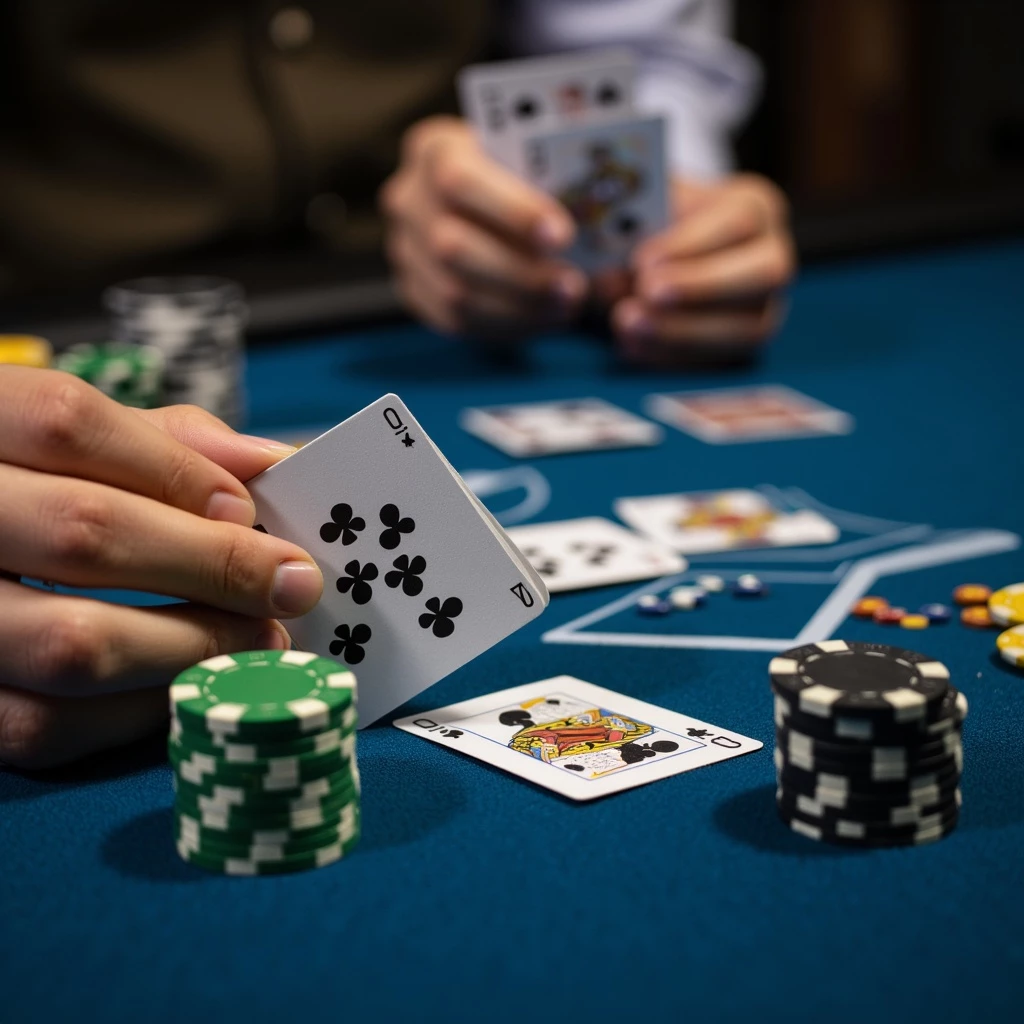
For a traveler from Canada stepping off an international flight, that section between the jet bridge and the customs hall is its own unique space https://aviacasino.games/jetx3/. You’re tired, you’re standing around, and your brain is caught between two places. This is where a game like JetX3 has its place. This piece explores how this airplane-themed crash game, which you can discover on sites like aviacasino.games, transforms dead time at Pearson, Trudeau, or Vancouver International into something to do. The idea is basic: cash out before a virtual jet crashes. It reflects the tension of a big decision, but without any genuine stakes. For someone heading back, it creates a oddly perfect bridge from the real flight to a digital one, offering a mental palate cleanser before you hand your passport over. Let’s dissect how JetX3 works, the approach behind it, and why it suits so perfectly into the ritual of returning to Canada, all without overselling its case.

JetX3 is a game of estimation and boldness. It’s a component of the ‘crash’ category. You set a stake on a session, then watch a multiplier increase from 1.00x as an animation shows a jet ascending. Your task is to press the cash-out control before the jet randomly explodes. If you get your money out in time, you collect whatever the multiplier displays. If the jet crashes first, you give up that stake. That’s the entire cycle. The game employs a provably fair method, usually founded on cryptography, to guarantee every crash value is random and immutable. This simplicity is important for a voyager. You don’t need a guide. You can understand it in moments, which is all you get between disembarking and finding your luggage. The screen is typically clean: a soaring jet, a prominent number increasing, and a clear cash-out option. You can understand it even with the noise of a hundred rolling suitcases in the backdrop. The excitement is all on display, a unique kind of stress than wondering if your bag made the transfer.

The attraction is in the direct control. This isn’t a passive game. Every second demands a choice. Cash out at 2.00x and you multiply by two your play money. Stay in for 5.00x and you increase fivefold it. Everyone creates their own approach. You aren’t competing with other people, you’re competing with a random number generator and your own doubt. It becomes a personal, almost reflective experience, a good choice for someone sitting alone in a line. The game usually presents a history of recent rounds, detailing what the multipliers were. Smart players know this list is just for curiosity. It doesn’t help you anticipate the next crash. The pace is fast. Rounds continue from a few seconds to a couple minutes, which suits perfectly with the variable length of a customs queue.
The cash-out moment is the core. It’s a tiny drama of greed against caution. People mention strategies, like always cashing out at a set number, say 3.00x. Others use incremental systems. But the random crash means no plan is infallible. The real game takes place in your head. It’s the struggle between the discipline you intended and the desire to see the number go just a little higher. That mental tug-of-war is what holds your attention. For a traveler, this kind of immersion is helpful. It shifts your mind away from the soreness in your legs and the dry cabin air, and concentrates it on a clean, instant challenge with a definite result.
The connection between JetX3 and the trip back to Canada is unusually precise, and it goes beyond just having a plane in it. To begin, the aviation theme links your real-world experience to the digital one. Next, the game is built for interruptions. You can try a few rounds while staring at the empty baggage carousel, then close it completely when your line starts moving, and resume it later with no penalty. This low-commitment model matches the chopped-up downtime of travel. Furthermore, the focus it demands can actually reset your brain. After hours in a tube, a few minutes of concentrated play can improve your mind before you face the Canada Border Services Agency (CBSA). It serves as a buffer zone, like using headphones, but with an interactive layer that engages more of your thinking.
JetX3 is a game of chance, but having a plan can make it more interesting and extend your playtime. For a Canadian looking for a distraction, the goal is fun, not constructing a virtual empire. A prudent approach is the fixed cash-out. Select a conservative multiplier, like 1.50x or 2.00x, and follow it every round. This offers you steady, small wins that keep you going. On the other hand, aiming for 10x or more offers big payoffs but will eat up your play money fast. A common balanced method is to split a session ‘bankroll’ into small bets and mix up your cash-out points based on a hunch, understanding that losing rounds are part of the experience. The key is to treat any in-game currency as the price of admission for a bit of fun.
When discussing digital games in Canada, safe play needs a mention. JetX3 uses mechanics associated with gambling. A practical look at the game must consider how to use it appropriately. For most travelers, it’s just a pastime. The virtual stakes on most marketing sites have no real value. But the psychological hooks are there—the variable rewards that keep you tapping. The smart approach is to frame it consciously as a casual challenge, more like a tricky mobile crunchbase.com game than a betting sim. Canadian players should examine their own mindset. If you feel genuine frustration or an urge to ‘win back’ lost play points, that’s your cue to exit the game and people-watch instead. The game works best as a managed, short-term activity that naturally ends when your customs wait does.
Recent versions of JetX3, like the one at aviacasino.games, come with tools that enhance the experience. These tools offer transparency and offer you more options. The provably fair system, often with a verifiable hash, is typical and essential for relying on the randomness. A detailed round history lets you look at past trends, although it’s for entertainment, not fortune-telling. The auto-bet and auto-cash-out functions are very convenient for a traveler. You can adjust your settings, then check to find your gate or shuffle forward in line. Visually, a clean display of the climbing jet and the current multiplier is crucial for quick reads. Some versions may provide different jet models or color schemes for a bit of personal touch. For someone in a busy terminal, these features make sure the interface provides information without clutter, and engagement without needing your eyes glued to the screen every second.
To see where JetX3 fits, compare it to other ways to endure the customs wait. Flipping through social feeds is inactive and often renders your brain more cluttered. Digesting a book or write-up requires a attention that’s difficult to keep up with persistent airport din and movement. Basic puzzle games are captivating but lack any thematic link to where you are. JetX3 sits in between. It’s more engaging than inactive swiping, more concise than deep reading, and more thematically linked to travel than an theoretical puzzle. Its unique appeal is the following: prompt, round-by-round tension with no tangible repercussions (when you’re playing with simulated points). This can trigger a ‘flow state’—that sensation of being totally engrossed where time slips by. That’s the ideal state for enduring a wait. For a Canadian heading back, it can render the airport limbo feel less like a staging zone and more like an extension of the journey itself.
Fitting JetX3 into your arrival routine requires a little forethought. First, your phone battery is your key asset. Airport charging spots are a sought-after commodity, so a portable battery pack is a wise investment. Second, headphones aid immersion, but keep the volume low or one ear free. You have to hear boarding calls or a CBSA officer wave you forward. Third, select your moments. Playing while standing at the baggage carousel or waiting in the customs queue is fine. Don’t play while you’re walking or juggling bags. Fourth, maintain the game separate from travel stress. It should ease pressure, not add to it. Finally, the moment you step up to the customs kiosk or officer, place the phone away. Your full attention belongs to the declaration process. The game is time-filler for the idle gaps, not a distraction from the official steps that bring you back into the country.
Fotografías realizadas por